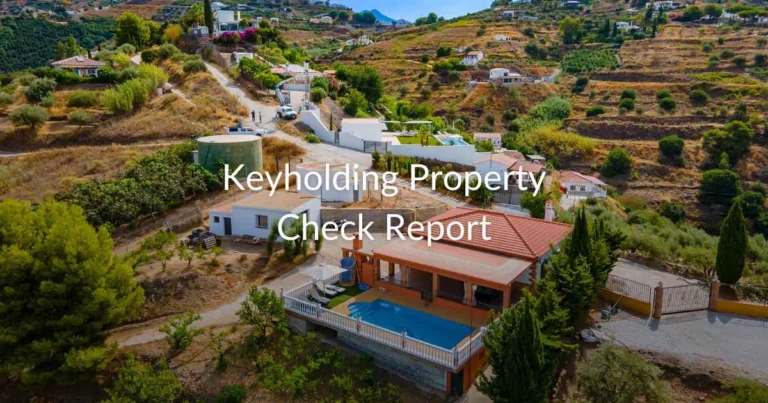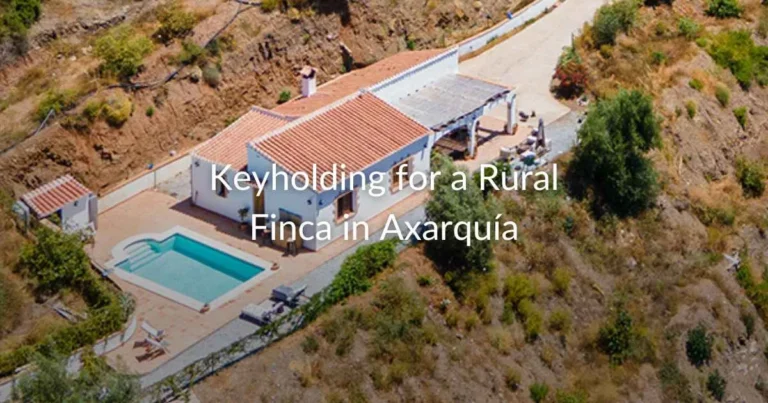

If you need keyholding for a rural finca in Axarquía, the useful part is not simply knowing that somebody nearby has a spare set of keys.
A rural property can have much more to check than the house itself. There may be a steep or unpaved access track, several gates, terraces, land, irrigation, a swimming pool, water storage or pumps, a septic system and outdoor electrical equipment. After heavy rain, the first problem may even be whether somebody can reach the property safely.
That is why regular property checks for a finca should be based on the way that particular property works. A checklist that is perfectly adequate for a lock-up-and-leave apartment may not be enough for a country house that sits empty for several months.
The aim is not to turn a keyholder into a plumber, electrician, gardener or surveyor. It is to have someone local who knows the property, checks the agreed areas consistently, notices obvious changes and can help organise the next step when something needs attention.
Why rural finca keyholding is different
A coastal apartment may have easy road access, communal areas and shared systems managed by the community. A rural finca outside Cómpeta, Canillas de Albaida, Sayalonga, Torrox or another part of Axarquía can be very different.
Depending on the individual property, you may have:
- a steep, narrow or unpaved access track;
- one or more gates before reaching the house;
- large terraces, gardens or areas of land;
- water tanks, pumps or other private water arrangements;
- a septic system;
- irrigation for trees or gardens;
- a swimming pool and separate plant room;
- retaining walls, banks or drainage channels;
- outbuildings or storage areas; and
- equipment spread across different parts of the plot.
Not every finca has all of these things. That is precisely why a useful keyholding arrangement should start with the actual property rather than a generic list.
Our keyholding service in Axarquía includes property checks and local access support, with the arrangement tailored to the type and location of the home.
1. Start the property check with the access track
With a rural property, the inspection can begin before anyone reaches the front gate.
If access is via a camino or unpaved track, its condition matters. Heavy rain can create ruts, move loose material, wash debris across the road or damage the edges of the track.
A rural property check can therefore include looking for obvious changes such as:
- new erosion or deep ruts;
- fallen branches or debris;
- washed-out edges;
- standing or flowing water;
- damage around drainage channels; and
- anything preventing normal vehicle access.
This matters because an emergency at the house can become harder to deal with if a plumber, electrician or other contractor cannot reach it.
Safety comes first.
2. Check gates, locks and obvious boundary problems
A gate that worked perfectly when you left Spain can still become a problem while the property is empty. A latch can fail, a padlock can seize, vegetation can obstruct the entrance or storm debris can make a gate difficult to use.
The purpose is not to inspect every metre of fencing. It is to notice obvious changes that affect security or access.
- Does the main gate open and close properly?
- Are locks and latches working normally?
- Has anything fallen across the entrance?
- Is there obvious new damage to a fence or gate?
- Would an approved contractor be able to get in if needed?
If a finca has several gates, remotes or padlocks, it also helps to record clearly which key belongs where. That is much easier to organise before there is an urgent access problem.
3. Walk around the outside before going indoors
Going straight through the front door can mean missing the first visible signs of a problem.
A finca property check should normally include a basic look around the agreed exterior areas. Useful things to notice include:
- fallen branches or storm debris;
- obviously displaced roof tiles that can be seen safely from ground level;
- blocked or overflowing drainage areas;
- new staining on external walls;
- damage to shutters, doors or windows;
- unexpected standing water;
- visible movement or damage around walls or banks;
- loose outdoor items after strong winds; and
- anything substantially different from the previous visit.
This is a visual check, not a building survey. A keyholder should not be climbing onto roofs or making technical structural judgements.
If something appears wrong, the useful response is to photograph it, report what can actually be seen and arrange access for the appropriate professional if necessary.
4. Know how the finca gets its water
Water deserves particular attention because rural properties do not all have the same setup.
Some fincas have straightforward mains water. Others may also use storage tanks, pumps, private supplies or irrigation equipment. Your keyholder should know how your property works rather than trying to work it out during a problem.
It is useful to record:
- where the main water shut-off is;
- whether tanks or pumps are involved;
- which parts of the property depend on those systems;
- who normally services them; and
- what should happen if a leak or loss of water is found.
During an agreed inspection, a keyholder can look for obvious leakage, unexpected water around accessible equipment or another clear change from normal conditions.
That does not make the keyholder a plumber or water-system technician. The value is early detection, reporting and local access for the right specialist.
5. Include the septic system in the finca handover
If your property has a septic tank rather than mains drainage, make sure that information is included in the property handover.
A routine keyholding visit is not a septic-tank service, and nobody should be opening or entering septic equipment as part of an ordinary property check.
What can be noticed are obvious warning signs around the property: an unusual sewage smell, wastewater backing up inside the house, an unexpected wet area around the relevant part of the plot or another visible change that suggests specialist attention is needed.
The keyholder should also know who normally deals with the system, or at least who you would like contacted if a problem is found.
6. Check irrigation rather than assuming it is working
If you leave established gardens, fruit trees or other planted areas behind, an irrigation fault can be easy to miss when nobody is living at the finca.
Depending on the system and the level of property care you arrange, useful checks can include looking for:
- obvious leaks;
- split or disconnected irrigation pipes;
- areas that are unexpectedly saturated;
- areas that are clearly not receiving water when they should be;
- visible damage around timers or controllers; and
- problems reported by your gardener.
Seasonal settings also matter. An irrigation schedule appropriate for the hottest part of summer may not be appropriate after a period of substantial rain.
If gardening or irrigation management is outside the keyholding service, that should be clear. The keyholder can still notice an obvious problem and coordinate access for the person who maintains the system.
7. A pool needs more than a glance from the terrace
A finca with a private swimming pool has another system that can develop problems while you are away.
A basic keyholding visit is not the same as professional pool maintenance. Water treatment, chemical balance, servicing and technical repairs belong with the appropriate pool professional.
But regular property checks can still identify visible issues such as:
- a significant change in water level;
- unusual colour or obvious deterioration in condition;
- large amounts of debris after bad weather;
- a visibly damaged pool cover;
- water appearing where it normally should not be; or
- an obvious issue around accessible pool equipment.
If the pool company needs access while you are abroad, a keyholder can also provide authorised access by arrangement.
For ongoing servicing and repair work rather than inspections, see our guide to regular property maintenance in Axarquía.
8. Check whether the electricity is still on
A power problem in an empty finca can affect much more than the lights.
Depending on the property, electricity may also be needed for an alarm, internet router, refrigerator, freezer, water pump, pool equipment, irrigation controls or other systems.
The handover should therefore make clear where the electrical panel is and which equipment is normally expected to remain powered while you are away.
During a property check, the keyholder can notice that the electricity appears to be off or that a normal indicator is no longer showing what it usually does.
Diagnosing or repairing an electrical fault is different. Anything requiring technical electrical work should be handled by an appropriate professional.
9. Look for pests and signs of unwanted visitors
Country properties have more contact with the surrounding landscape than a typical apartment, so it is sensible to notice changes early.
A routine inspection may reveal insect activity, droppings, nests, damage around entry points or signs that an animal has entered an area that should normally be closed.
The appropriate response depends on what is found. Sometimes it may be minor; in other cases a pest-control company or another specialist may be needed.
The advantage of regular property checks is simply that you find out sooner rather than discovering the problem after several months when you return to Spain.
10. Then check the house itself
Once the exterior and relevant finca systems have been considered, the indoor inspection looks more like a normal empty-home check.
Depending on your agreed service, that may include:
- doors, windows and shutters;
- visible signs of leaks;
- damp patches or unusual odours;
- taps, toilets and water traps where appropriate;
- basic ventilation during the visit;
- obvious pest activity;
- alarm or security concerns;
- mail or parcels; and
- anything visibly different from the previous inspection.
The important part is consistency. When roughly the same areas are checked in the same way on each visit, changes are easier to identify. Photographs also provide useful context when you are hundreds or thousands of kilometres away.
Our article on what can happen when a Spanish property is left empty for months looks at these empty-home risks in more detail.
Property checks after heavy rain or storms
A rural finca may need an additional visit after significant weather rather than simply waiting for the next routine inspection.
AEMET operates weather-warning areas within Málaga province and specifically lists Axarquía as one of them. You can check current official warnings through the AEMET warning service for Andalucía.
Once conditions are safe, a post-storm finca check can focus on:
- whether the access track remains safely passable;
- gates and fencing;
- drains and water run-off;
- visible roof or shutter damage;
- fallen branches;
- unexpected water around the building;
- terraces, banks and retaining areas;
- pool debris or visible damage;
- whether power is available; and
- any sign of water entering the house.
Official Civil Protection advice also recommends checking roofs, terraces and drains in connection with heavy rain and avoiding flooded roads or watercourses. The inspection should only happen when the route and conditions are safe.
For a fuller explanation of local storm risks and preparation, see our guide to DANA storms and property in Axarquía.
Is one finca property check per month enough?
There is no useful one-size-fits-all answer.
A straightforward rural home with normal road access, mains utilities and somebody nearby has a different set of needs from an isolated property with an unpaved track, pool, irrigation, private systems and several months of complete vacancy.
A monthly visit may be suitable for one finca and too infrequent for another. Likewise, a more frequent inspection schedule is not automatically necessary simply because a home is rural.
The sensible frequency depends on factors such as:
- how long the property will be empty;
- how straightforward the access is;
- whether there is a pool or substantial outside area;
- what water, drainage and irrigation systems are present;
- the condition and complexity of the property;
- whether gardeners, pool technicians or other contractors already visit regularly; and
- whether severe weather or another event creates a reason for an extra check.
The useful question is not “How often should every finca be checked?” It is “How long am I comfortable leaving this particular property without somebody seeing it?”
What your finca keyholder should know before you leave Spain
A good handover before departure makes everything easier later.
Give the person responsible for keyholding and property checks the practical information needed to reach and understand the finca:
- a clear location or map pin;
- instructions for the final part of the access route;
- gate keys, remotes and codes;
- alarm instructions where relevant;
- the location of the main water shut-off;
- the location of the electrical panel;
- basic information about tanks, pumps or private systems where applicable;
- the location of the septic system if there is one;
- pool, garden and irrigation contractor details;
- any areas that should not be accessed;
- your preferred method of contact; and
- what the keyholder is authorised to arrange without waiting for you.
The last point can be particularly useful. If a small problem is discovered while you are on a flight or in a different time zone, should the keyholder simply report it? Can they call your usual contractor? Can they arrange urgent access?
There is no universal answer. What matters is agreeing the process before there is an emergency.
Keyholding is not the same as full finca maintenance
This distinction is important.
A keyholding and property-check service can cover secure access, scheduled visual inspections, reports, photographs where appropriate, contractor access and local coordination when something needs attention.
It does not mean the keyholder personally becomes your plumber, electrician, septic specialist, pool technician, gardener and builder.
When a technical problem is identified, the next step is normally to involve the appropriate person and provide access while you remain informed.
That division of responsibility is useful because it keeps the service clear: somebody local checks, notices, reports and helps coordinate the next step.
Keyholding and rural property checks in Axarquía
We provide keyholding and property checks for rural fincas as well as village houses, second homes and coastal properties across Axarquía.
For a finca, the access and outside systems can matter just as much as the house itself. A property five minutes from a village on a normal road is different from one reached by a long rural track with several gates and private systems.
That is why rural homes may need a more tailored inspection arrangement rather than being treated exactly like an apartment.
If your finca is empty while you are abroad, send me the location, a short description of the property and how long you normally leave it unattended. We can look at the access, the systems that need checking and what level of local support makes sense.
You can see the current options on our Keyholding Axarquía page.
Frequently asked questions
Do rural fincas need different keyholding from apartments?
They can. The difference is not simply the size of the house. A finca may have a rural access track, several gates, a pool, irrigation, water storage, pumps, septic drainage or larger outdoor areas. The property checks should reflect the systems that actually exist at your home.
How often should an empty finca in Axarquía be checked?
There is no universal frequency. The sensible interval depends on access, the condition and complexity of the property, how long it is empty and whether other contractors are already visiting. Severe weather or another specific event can also justify an additional check.
Should a finca be checked after heavy rain?
If there has been significant local weather, an additional property check can be sensible once conditions are safe. The access track, drainage, gates, outside areas, pool and visible signs of water ingress are useful areas to inspect. Flooded or unsafe access routes should never be crossed simply to complete a visit.
Can a keyholder check a septic tank, water system or pool?
A keyholder can carry out agreed basic visual checks and report obvious problems, but specialist servicing should be left to the appropriate contractor. The keyholder’s role is usually to identify that something appears wrong, inform you and arrange authorised access where needed.
What happens if the finca access track is damaged?
The first step is to determine whether the property can still be reached safely. Photographs can help you understand the problem from abroad. If clearance or repair is required, the next step depends on the nature of the damage and who is responsible for maintaining that access. Nobody should attempt to drive through flooding or an obviously unsafe section simply to complete a property check.
Can a keyholder provide access to contractors while I am abroad?
Yes, contractor access can be coordinated by arrangement through our Axarquía keyholding service. You remain in control of who is authorised to enter the property and what work is approved.